



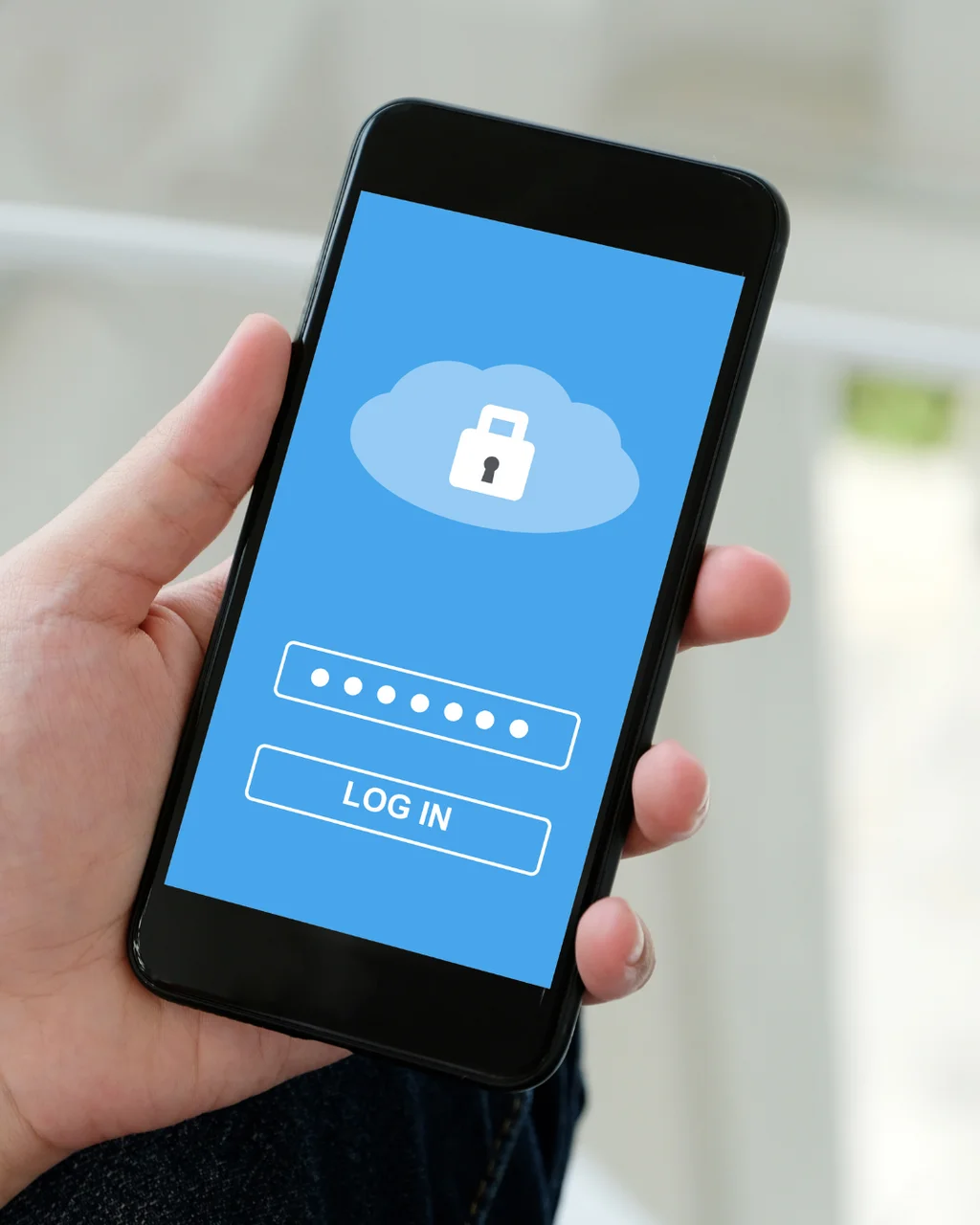
Picture the front door of your organization. You lock it every night. But somewhere around back, someone left a key under the welcome mat — the same key that opens the server room, your donor records, and every client file on your network.
That is what password reuse looks like in practice.
The Way Many Breaches Start
The breach rarely begins inside your organization. It starts somewhere else entirely: a retail site, a streaming subscription, a vendor platform your team signed up for a few years ago. That company gets compromised, and your login credentials become part of a database circulating on the dark web.
From there, attackers work efficiently. They test those same credentials against your email, your case management system, your donor database, your cloud storage. One breached account elsewhere becomes the key to everything here.
A Cybernews study of 19 billion exposed passwords found that 94% are reused or duplicated across accounts. This is not a small oversight — it is the standard, and it affects organizations of every size.
This type of attack is called credential stuffing. It is automated, it runs while your staff is offline, and by the time it is discovered, the damage is already done.
Strong passwords protect individual accounts. Unique passwords protect the entire mission.
Why 'Strong Enough' Is the Wrong Standard
Many NonProfit leaders assume they are covered because their team uses passwords with capital letters, numbers, and symbols. That confidence is not unfounded — but it is incomplete.
Modern attacks do not guess passwords manually. Automated tools test billions of combinations per second. The sophistication of a single password matters far less than whether that same password appears somewhere else.
Passwords are still a single point of failure. One phishing email, one vendor breach, one sticky note visible on a video call — and that single layer is gone. Relying on password complexity alone is a 2006 security model. The threats have moved on.
What a Stronger System Looks Like
The fix is not a longer or more complicated password. It is a system that does not depend on your staff remembering or managing passwords perfectly.
Two tools make the biggest difference:
- A password manager — tools like 1Password, Keeper, or Dashlane — generates and stores a unique, complex password for every account. Your team never has to remember them, and more importantly, they never reuse them. Every system gets its own key.
- Multi-factor authentication (MFA) adds a second layer of verification beyond the password — a code from an app, a prompt on a trusted device. Even if a password is compromised, access is blocked.
Neither requires technical expertise. Both can be implemented without disrupting operations. Together, they close the door on the most common form of credential-based attack.
Good security is not about perfect behavior from every person on your team. It is about building systems that hold even when normal human mistakes happen.
Is Your Organization's Access Still Relying on One Key?
If your team is using a password manager and MFA is active across your critical systems, you are ahead of many organizations your size. That is genuinely good news.
But if staff members are reusing passwords or if any of your systems rely on a single login with no second layer of protection that is a conversation worth having before it becomes an incident.
Call us at 866-934-4534 or book a quick discovery call.
And if you know a NonProfit colleague who’s still using the same password they set up in 2019, send this their way. Fixing it is easier than they think.


